Caught between the seemingly contradictory imageries of particularity and universality, ‘European identity’ could in fact be presumed but as a shorthand for ontological anxiety. The (‘euro-‘) centric ontology that it denotes is marked by an...
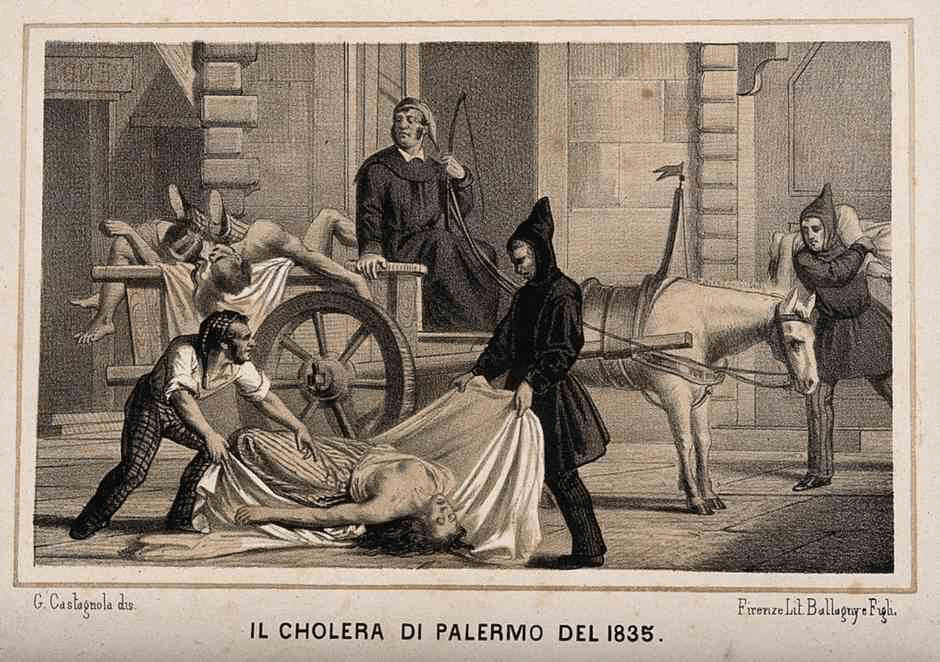
The coronavirus pandemic offers a rare opportunity to critique the biopolitical argument and a chance to reveal the life-and-death nexus, which is often clandestine in its operation. In this context, death rather than life is “put to work” under a biopolitical mode of...
The possibility that a critical approach is grounded in what it critically approaches is indeed a paradox only a few would acknowledge, and certainly not as loudly as Derrida once did: “we can pronounce not a single destructive proposition which has not already had to...
Much has been written about extreme violence against individuals and their bodies from the perspective of ‘biopolitics’. According to Foucault, biopolitics emerges when ‘the right to punish’ shifts ‘from the vengeance of the sovereign to the defence of society’ (1977,...
Georg Simmel, perhaps still the theorist of urban experience, argues in The Stranger (1971) that society is not an external object that precedes the constellation of interactions between human beings. Society, according to Simmel, does not exist before ‘sociality’...